

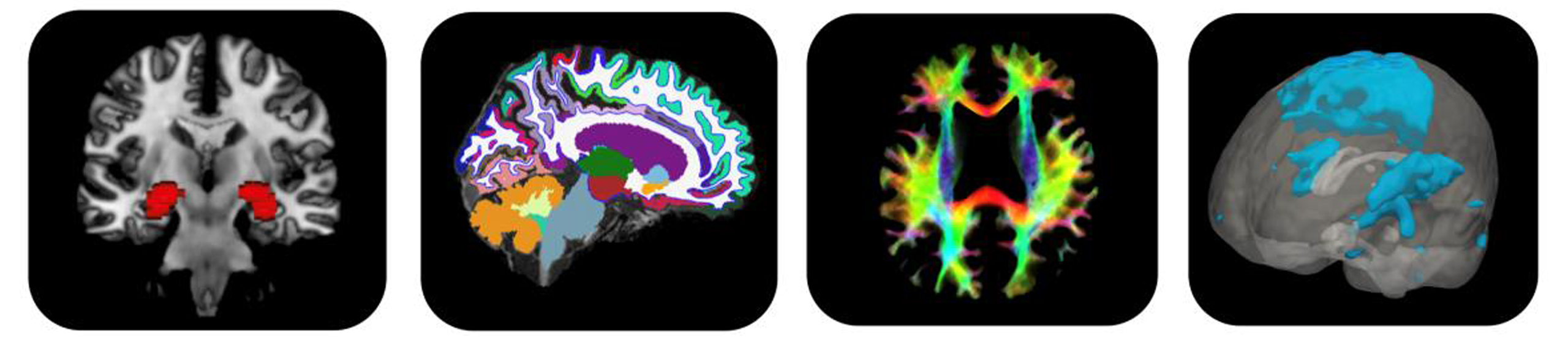
Neurodegeneration & Neuroimaging
 Our research group, based on joint appointments at the German Center for Neurodegenerative Diseases (DZNE) and the University Hospital Bonn, leverages cutting-edge Positron Emission Tomography (PET) and Single-Photon Emission Computed Tomography (SPECT) to advance the early diagnosis, differential diagnosis, and therapeutic monitoring of dementia and complex neurodegenerative disorders.
Theme 1: Preclinical Biomarkers and Early Detection of AD
We focus on identifying the earliest physiological indicators of Alzheimer's disease (AD) before overt clinical dementia manifests. As part of the national, longitudinal DELCODE Study Group (35451563), our PET substudies utilize FDG-PET to evaluate regional glucose hypometabolism in individuals experiencing Subjective Cognitive Decline (SCD). By mapping these early metabolic fingerprints in preclinical stages of AD (biomarker positive SCD), we clarify downstream metabolic network alterations driven by early amyloid burden (Devi et al. work in progress).
Theme 2: Functional network alterations in biomarker-positive SCD
We conduct extensive research into SCD as a critical preclinical stage of AD. Using advanced MRI techniques, we map how early deposition of amyloid-β shapes the architecture of large-scale brain networks. Within the framework of the multicenter DELCODE cohort (PMID: 35451563), we combine resting-state functional MRI (rs-fMRI) with amyloid PET imaging to study the complex interplay between molecular pathology and functional connectivity. Our work focuses heavily on key nodes of the Default Mode Network (DMN), such as the precuneus and cingulate cortex. We track how the earliest accumulation of amyloid fibrils triggers system-level network reorganization often manifesting as altered regional homogeneity or compensatory network adaptations long before structural brain atrophy or objective cognitive impairment become apparent (PMID: 33337359). Recent work has investigated convergences and divergences of functional connectivity alteration in SCD across Chinese and German cohorts (PMID: 37070734).
Theme 3: Mapping pathophysiological network alterations in Movement disorders
We map network pathophysiology across a broad spectrum of movement disorders. By leveraging high-resolution resting-state and task fMRI, structural connectomics, and advanced molecular imaging, we decipher the complex neurochemical and topological blueprints underlying both motor (PMID: 30925383) and non-motor (PMID: 40804061; PMID: 27776130; PMID: 17620488; PMID: 10468505) features of Parkinson's disease, essential tremor (PMID: 23990356; PMID: 8619551), and task-specific dystonias (PMID: 24167610). By correlating these precise imaging phenotypes with quantitative motor metrics and longitudinal clinical outcomes, our research aims to decode the underlying, interconnected physiological mechanisms of basal ganglia and cerebellar circuits.