

Scientific Staff
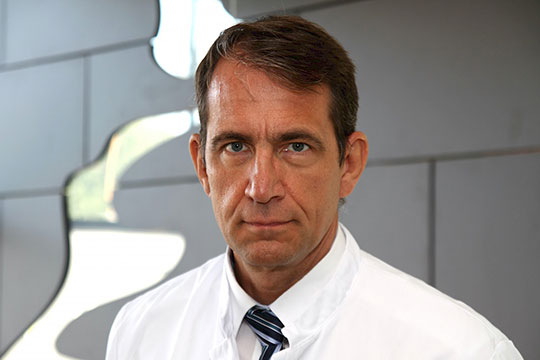
Prof. Heneka is involved in basic science and translational research with focus on neurodegeneration and neuroinflammation. His major disease of interest and research topics include Alzheimer disease, amyotrophic lateral sclerosis, septic encephalopathy and multiple sclerosis. In clinical neurology, Prof. Heneka holds a special expertise in neurodegenerative and autoimmune CNS disorders.
✉ ☏ +49 228 287-13091
Pubmed / ORCID / ResearchGate / Linkedln / Google Scholar / Biosketch
Postdoctoral researcher, Deputy Scientific Director
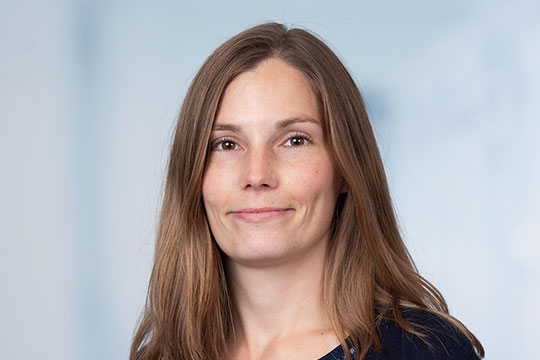
Christina Ising studied the Excellence study course “Molecular Biomedicine” at the University in Bonn, which she completed with her Diploma thesis in 2009. During her PhD work in the Kidney Research Center Cologne at the University of Cologne, she was funded by the Graduate School for Development Health and Disease. After receiving her PhD in 2014, she joined Prof. Holtzman’s lab at Washington University in St. Louis for three years as a DFG-funded postdoctoral fellow. Since 2017, Dr. Ising is working in Prof. Heneka’s lab at the University Hospital Bonn, where she focuses her research efforts on a DFG-funded project on the role of microglia in tauopathies.
✉ ☏ +49 228 43302-346
Pubmed / ORCID / ResearchGate / Linkedln / Google Scholar / Biosketch
Scientific coordinator
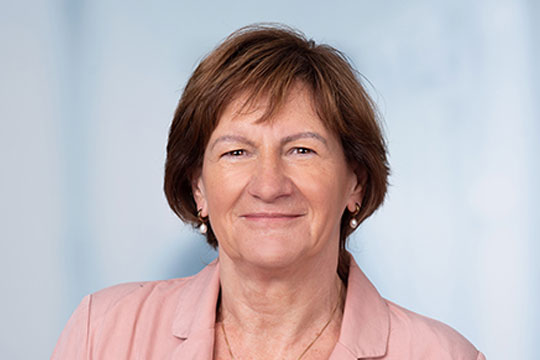
Ildikó Rácz studied biology at the Eötvös Lorand University in Hungary. In 2001 after many years in clinical and pharmacological research in Hungary, she started a new scientific career in academic research at the Institute of Molecular Psychiatry in the University of Bonn. Her research has been focused on the analysis of physiological and biochemical processes, with particular emphasis on neuroinflammation, underlying pain sensitivity and addiction. In 2001, she also established and lead a nociception phenotyping platform at the German Mouse Clinic in Munich. In 2016, she joined the Clinic for Neurodegenerative Diseases as scientific coordinator.
✉ ☏ +49 228 43302-328
Pubmed / ORCID / ResearchGate / Linkedln / Google Scholar / Biosketch
Scientific laboratory technician
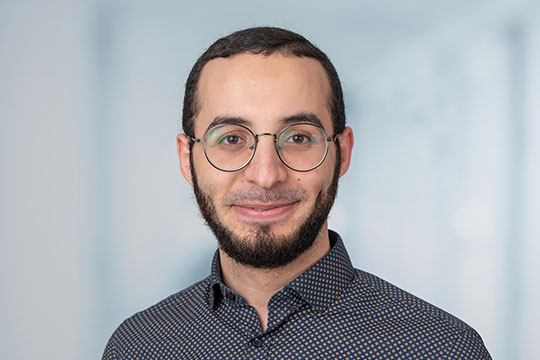
Mohamed studied Applied Biology at Bonn-Rhein-Sieg University of Applied Sciences in Germany. His first interaction with the area of Neuroscience was at Oxford University in England while he was conducting out his bachelor thesis about pain senstivity. Later, he enhanced this experience by attending different internships about Neurodegeneration and Neurogenomics at the University of Helsinki in Finland and Max Planck Institute of Neurobiology in Munich. Currently, at Heneka lab, he is mainly involved in a project that aims to characterize the effect of a Trem2 mutant on the neuropathological hallmarks of Alzheimer’s disease.
Scientific laboratory technician
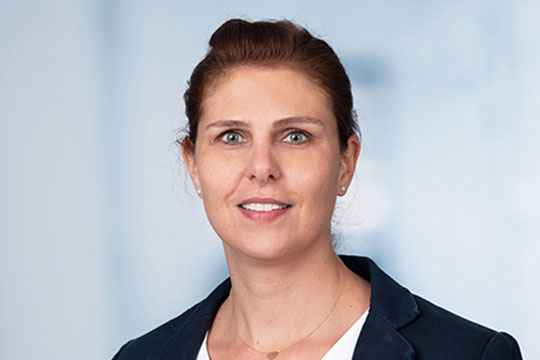
✉ ☏ +49 228 43302-341
Pubmed / ResearchGate / Google Scholar / Biosketch
Scientific laboratory technician
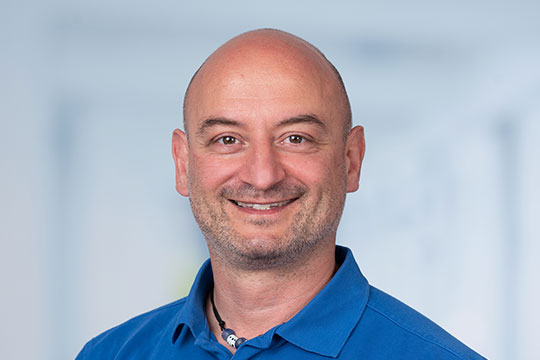
Francesco Santarelli is currently involved in most of the projects of the group: biomarker research, tauopathies, in-vitro investigation of microglia functions and innate immunity. Since high school, Francesco was fascinated by chemistry and its importance for life. As a laboratory technician he has worked in various fields of medical research, from biomaterials, dermatology to neurodegenerative diseases. Each experience has expanded his technical and scientific knowledge making him what he is now, an all-rounder technician with a good handling skills. His natural marked curiosity and his strong propensity to solve problems make him a valuable and a reliable teammate.
✉ ☏ +49 228 43302-344
Pubmed / ORCID / Google Scholar / Biosketch
Scientific laboratory technician
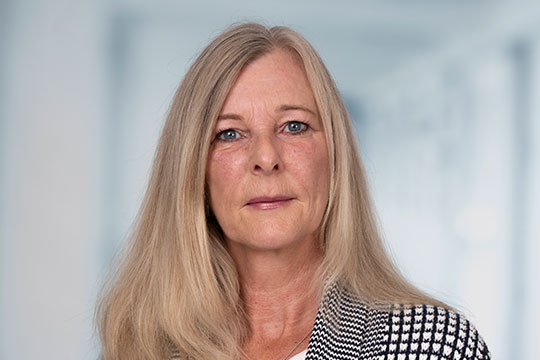
After graduating as a Master of Science from the University of Bonn, Stephanie Schwartz began researching rare diseases, both in gastroenterology and neurology. Since 2008, she has been working with Prof. Michael Heneka in the Department of Neurology and now in the Department of Neurodegenerative Diseases at the University Hospital Bonn with focus on Alzheimer’s research. Expertise: molecular and cell biology, biochemistry, immunohistochemistry, behavioral biology, transgenic mouse models, clinical research.
✉ ☏ +49 228 287-11262
Pubmed / ResearchGate / Google Scholar / Biosketch
Postdoctoral researcher
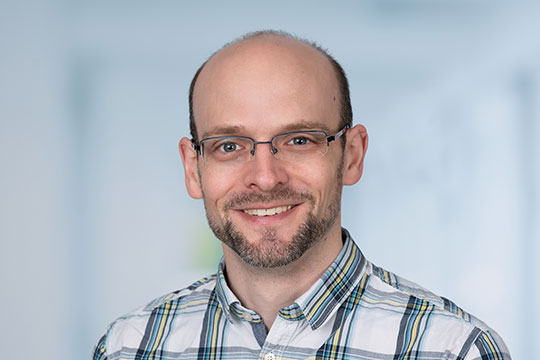
Frederic studied biochemistry at the Ruhr-University of Bochum, where he specialized in analytical biochemistry and proteomics. In 2013, he obtained his PhD at the Medical Proteome Center (MPC) Bochum on differential proteome analysis of peripheral human fibroblasts, monocytes and T-lymphocytes as well as murine brain tissue in the context of Parkinson’s disease. In 2012, he joined the German Center for Neurodegenerative Diseases (DZNE) in Bonn, in his current Post-Doc position on biomarker research with focus on immune markers in Alzheimer’s disease.
✉ ☏ +49 228 43302-343
Pubmed / ORCID / ResearchGate / Linkedln / Google Scholar / Biosketch
Postdoctoral researcher, neurology resident
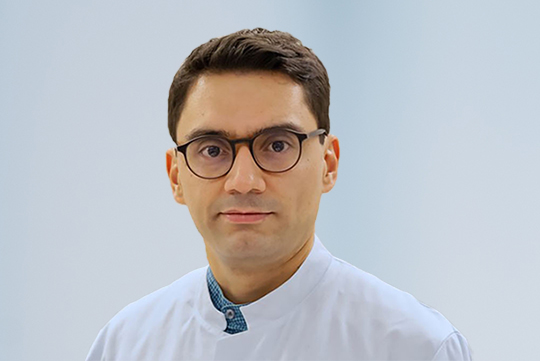
Sergio Castro-Gomez studied medicine at the Universities of Antioquia (Medellín – Colombia) and Hamburg, and received his MD-PhD in 2016 at the University of Hamburg. He has worked in general medicine, neurology and basic neuroscience with particular emphasis on molecular mechanisms of learning and memory, and neurodegenerative diseases. He is currently MD/PhD researcher graduate lecture and neurology resident in the Department of Neurodegenerative Disease at the University Hospital Bonn in Germany. Currently, his research focuses on biomarkers of neurodegenerative diseases and neuroimmunological mechanisms after brain injury.
✉ ☏ +49 228 287-11269
Pubmed / ORCID / ResearchGate / Linkedln / Google Scholar / Biosketch
Postdoctoral researcher
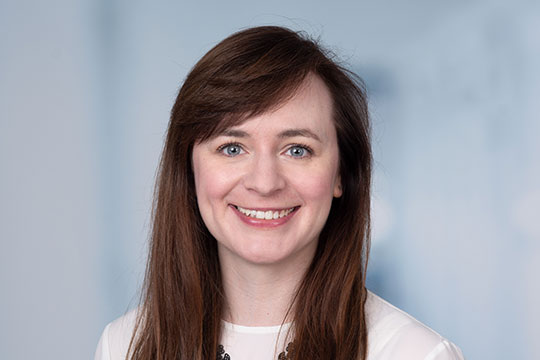
Róisín McManus studied natural science with a specialization in neuroscience for her undergraduate degree in Trinity College Dublin, Ireland, where she graduated with a first class honours (2010). Following this she did a PhD under the joint supervision of Prof. Marina Lynch and Prof. Kingston Mills in Trinity College Dublin, Ireland, studying the effect of infection on the brain with age and in a model of Alzheimer’s disease (AD) (2010-2014). Róisín worked as a post doc in the Lynch lab on biomarker development in dementia before joining the Heneka lab (2015) where she is examining the vulnerability to infection in AD and in a separate project, she is investigating the role of NLRP3 inflammasome activation and inhibition in AD, using in vivo and in vitro models and samples from humans (InCure project).
✉ ☏ Tel.: +49 228 43302-342
Pubmed / ORCID / ResearchGate / Linkedln / Google Scholar / Biosketch
Postdoctoral researcher
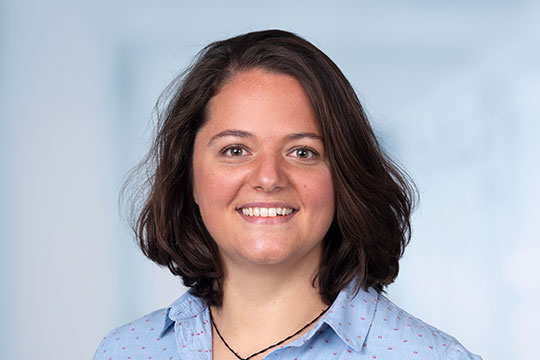
Hannah Scheiblich completed her Bachelor of Science at the Philipps-University of Marburg in 2009 and her Master of Science at the University of Veterinary Medicine in Hannover in 2011. She obtained her doctoral degree in 2015 at the Department of Cell Biology of the University of Veterinary Medicine in Hannover in the lab of Prof. Gerd Bicker on the topic “Nitric oxide (NO)- and carbon monoxide (CO)-mediated signal transduction in a co-culture system of microglia and human model neurons”. Thereafter she worked as a postdoc in the lab of Dr. Joern Steinert at the Medical Research Council Toxicology Unit in Leicester, England. Since 2016 Hannah Scheiblich is working as a postdoc in the lab of Prof. Michael T. Heneka with a research focus on Parkinson’s and Alzheimer’s disease.
✉ ☏ +49 228 43302-342
Pubmed / ORCID / ResearchGate / Xing / Google Scholar / Biosketch
Postdoctoral researcher
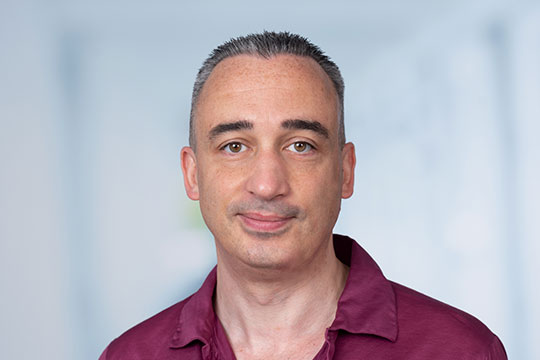
Maurizio Severino is a MD-PhD and board certified neurologist with several years of experience in general neurology, neurology intensive care and stroke unit, and about 5 years of experience in basic neuroscience. During my PhD, partly funded from Lundbeck (DK), I worked on Alzheimer`s dementia, earning experience in transgenic mice expressing human Aβ amyloid, and microglia driven neuroinflammatory response, Aβ pathology and behavior. Both at clinical and basic science level I am particularly interested in neurodegenerative disorders. I am member of national and international medical and scientific associations as well as board certified neurologist in several EU countries.
✉ ☏ +49 228 43302-342
Pubmed / ORCID / ResearchGate / Linkedln / Google Scholar / Biosketch
Postdoctoral researcher
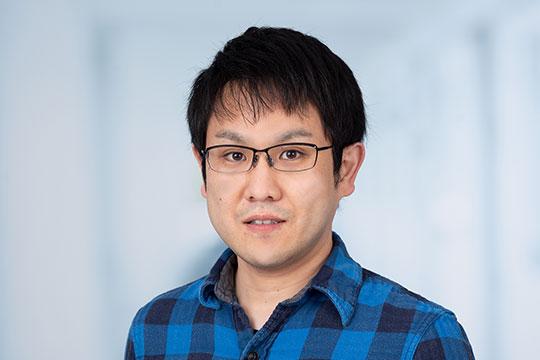
Toshinobu Shida obtained his B.A. degree in Molecular and Cell Biology from the University of California at Berkeley, where he worked with Qing Zhong on the ubiquitin-mediated p53 degradation. He then moved to Stanford University and worked with Maxence Nachury on the primary cilium and the alpha-tubulin acetyltransferase. He did his graduate work in Motomasa Tanaka’s lab at RIKEN Center for Brain Science through the Tokyo Institute of Technology-RIKEN joint Ph.D. program. There he studied the molecular mechanisms of cross-species prion transmission using the yeast prion system. In November 2020, he joined Michael Heneka’s lab at the German Center for Neurodegenerative Diseases (DZNE). He currently studies the molecular interaction between amyloid beta and ASC specks.
Postdoctoral researcher
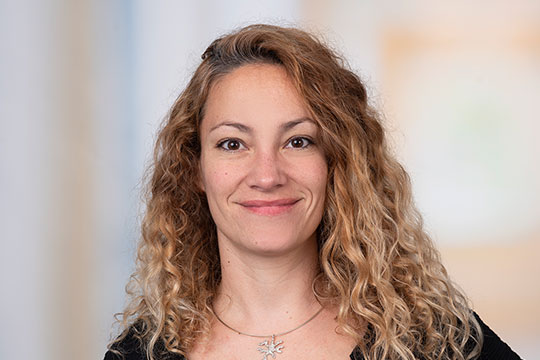
Nàdia has a long-lasting interest in microglia and their role after acute injuries and chronic diseases in CNS. During her PhD in the “Universitat Autònoma de Barcelona”, she studied how inflammatory microenvironment impact in microglial phenotype after peripheral nerve injury. Since she started her postdoctoral research, she focused in the role of TREM2/CD33 regulating microglial response and amyloid phagocytosis in AD. Additionally, she is focused in microglia proliferation under the neuroinflammatory conditions found in AD. She is addressing how the environment modifies the phenotype and function of proliferating microglia and identifying the genetic signature expressed by these cells during the progression of AD.
✉ ☏ +49 228 287-13839
Pubmed / ORCID / ResearchGate / Linkedln / Google Scholar / Biosketch
Guest scientist

Lea Friker studied human medicine at the University of Bonn, Germany. She completed a semester abroad at the University of Strasbourg, France. During her MD thesis in the group of Prof. Heneka, she investigated the reaction of microglia to ASC and ASC-amyloid β composites. Lea Friker is currently working as a resident in the field of neuropathology at the University Hospital Bonn and is continuing her research as a guest researcher at the DZNE. She is particularly interested in the molecular interactions between ASC and amyloid β.
✉ , ☏ +49 228 287 10339
Pubmed / ResearchGate / Biosketch
PhD Student
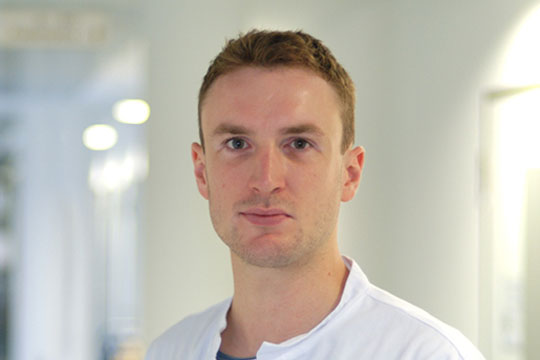
Tobias Dierkes graduated in 2016 from the Technical University of Braunschweig, focusing on neuroscience and bioinformatics. Working for Prof. Martin Korte at the Department of Cellular Neurobiology he became interested in the field of neuronal morphology and plasticity. Following up with his master thesis at the Synaptic Plasticity and Memory Lab of Prof. Dr. Sajikumar Sreedharan in National University of Singapore, he investigated the epigenetics of Induced plasticity impairments in hippocampal neurons. Subsequently, Tobias started his PhD working on a collaboration project between Prof. Eicke Latz (Institute of Innate Immunity) and Prof. Michael T. Heneka.
✉ ☏ Tel.: +49 228 287-51203
Pubmed / ResearchGate / Google Scholar / Biosketch
PhD Student
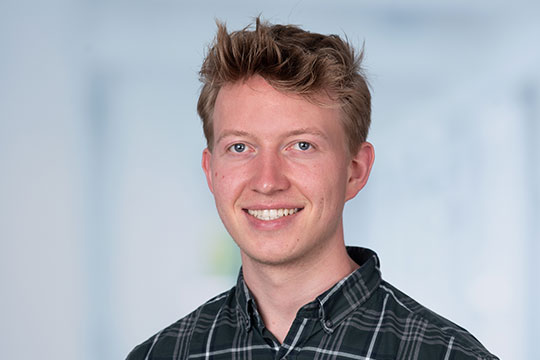
Frederik Eikens began his laboratory work with experimental exercise interventions to treat hypertensive disorders. Now, he is involved in fundamental research emphasizing neuroinflammation in Parkinson’s and Alzheimer’s disease. His current work predominantly focuses the study of interaction sites between brain resident neuronal and immunologic populations.
✉ ☏ +49 228 43302-553
ResearchGate / Biosketch
PhD Student
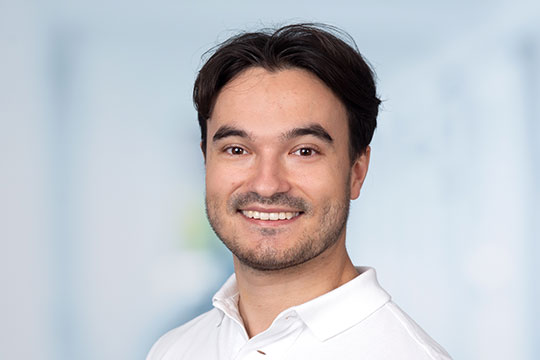
Before Deniz started as a PhD candidate in the lab of Prof. Heneka, he studied a Research Master in Fundamental Neurosciences at the University of Maastricht. As part of his internship, he investigated the contribution of tethering proteins to the axon-myelin synapse pathology in Multiple Sclerosis at the VU Medical Center in Amsterdam. He is mainly interested in neurodegenerative, neuroimmunological and neurological disorders and injuries. As a PhD candidate in our lab, he can perfectly combine his research interests by investigating the role of the NLRP3 inflammasome in relation to tauopathies.
✉ ☏ +49 228 43302-348
Biosketch
PhD Student
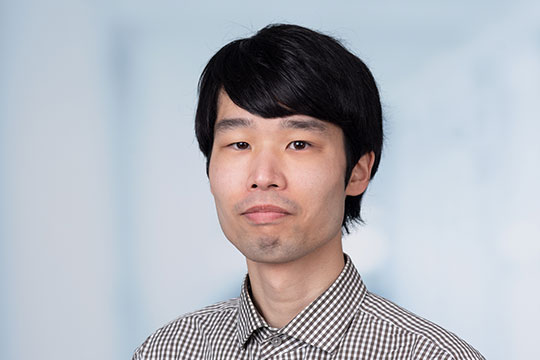
Tatsuya Manabe received a BSc (Hons) in Neuroscience at King’s College London in 2016 and an MSc in Dementia at University College London in 2017. He has subsequently joined Heneka lab as a PhD student since 2017. He has been fascinated with the significant roles of the innate immunity in neurodegenerative diseases such as Alzheimer’s disease. His current interest focuses on the microglia-synapse interactions and innate immune memory in particular after the systemic inflammation, on the basis of which he has been working for the sepsisassociated encephalopathy project.
✉ ☏ +49 228 287-11262
ResearchGate / Biosketch
PhD Student
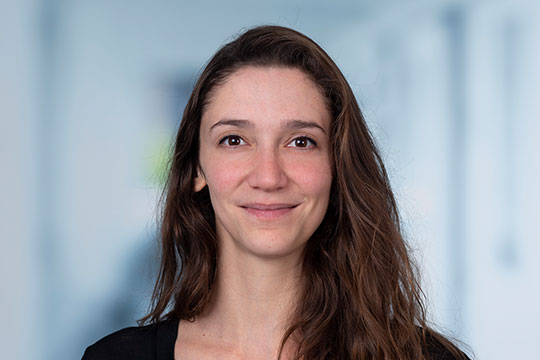
Paula Martorell performed her studies in Biotechnology at the National University of Tucumán, Argentina. In 2017 she obtained a schoolarship to conduct a Master in Neurosciences at the Sorbonne University in Paris. She was introduced to the field of Neuroimmunology by Dr. Rita Raisman-Vozari and Dr. Patrick Pierre Michel during her internship at the laboratory of Experimental Therapeutics of Neurodegeneration, directed by Dr. Etienne Hirsch at the Brain & Spine Institute (ICM) located at the Pitié-Salpêtrière University Hospital. Since November 2018 she has joined the group lead by Prof. Dr. Michael Heneka where she is now conducting her PhD studies on the involvement of the cGAS-STING immune pathway in Neurodegenerative diseases.
✉ ☏ +49 228 43302-553
ORCID / ResearchGate / Linkedln / Biosketch
PhD Student
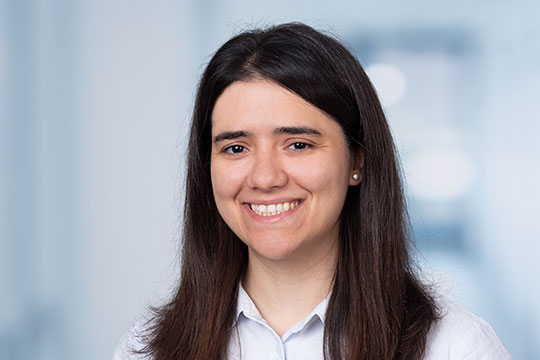
Dilek Mercan received a dual Bachelor’s degree from Istanbul University in Biology, Molecular Biology and Genetics (Turkey). She completed her MSc. degree in Yeditepe University (Turkey). Her PhD project, in Prof. Dr. Michael Heneka’s research lab, focuses on how Locus Coeruleus derived norepinephrine driven changes influence neuronal network function and microglial dynamics. She is also interested in neuroinflammatory mechanisms affecting neuronal network activity, synaptic plasticity and microglia function in the context of Alzheimer‘s disease. She has a strong interest in optogenetics and in vivo imaging techniques such as 2-Photon microscopy (calcium, dendritic spine and microglia imaging), which she has established in the laboratory.
✉ ☏ +49 228 43302-349
Pubmed / ORCID / ResearchGate / Linkedln / Google Scholar / Biosketch
PhD Student
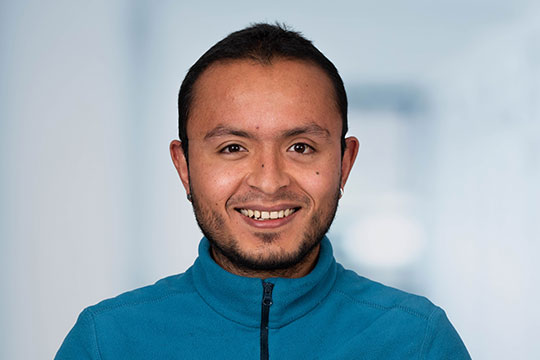
Juan I. Muñoz-Manco studied Biology and have Master of Sciences at University of Antioquia, Colombia. Juan has worked as a researcher in areas such as Neurosciences, Genetics, Molecular Cell Biology, and Immunology in the University of Antioquia. Currently, he is a PhD student at University Hospital Bonn and German Center for Neurodegenerative Diseases (DZNE). His research focuses in the cellular and Molecular mechanisms of Learning and memory, biomarkers and the neuroimmunological processes of Neurodegenerative Diseases.
✉ ☏ +49 228 287 11269
Pubmed / ORCID / ResearchGate / Linkedln / Google Scholar / Biosketch
PhD Student
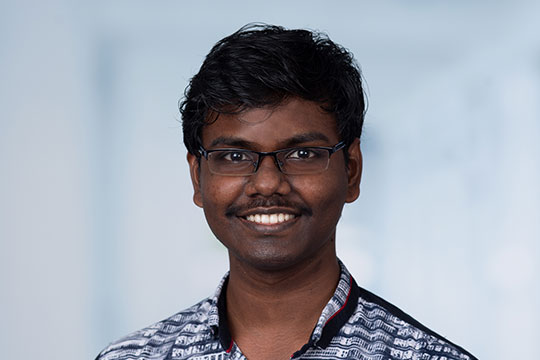
Kishore Aravind Ravichandran received his Bachelor’s degree in Biotechnology (SRM University, India) in 2017 and his Master’s degree in Neurosciences (University of Bonn, Germany) in 2020. He has worked in the field of Neuroimmunology during his undergraduate and graduate studies with exposure to several molecular techniques. His primary interests are in deducing the role of inflammation in neurodegenerative diseases. He is currently working on biomarkers for Alzheimer’s disease and functional validation of specific biomarkers like soluble TAM receptors in available models.
✉ ☏ Tel.: +49 228 43302-349
Pubmed / ORCID / ResearchGate / Linkedln / Google Scholar / Biosketch
Doctor of Medicine Candidate
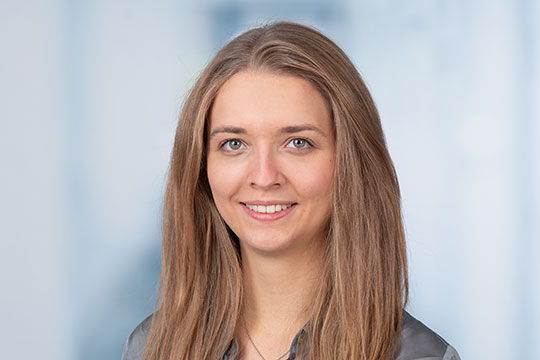
Charlotte Braatz is a 4th year medical student at the University of Bonn, Germany. She joined the lab in October 2020 for her MD thesis project. It focuses on the inhibition of the NLRP3 inflammasome as a key driver of the pathogenesis and progression of Alzheimer’s disease. She will investigate the effect of directly modulating NLRP3 using various agents in multiple in vitro models of disease.
✉ ☏ +49 228 43302- 2349
Biosketch
Doctor of Medicine Candidate
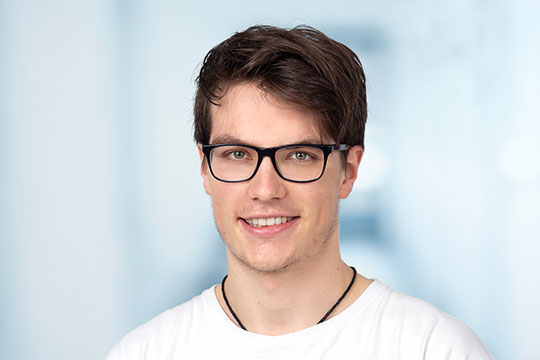
Max Komes is a 3th year medical student at the university of Bonn, Germany and currently undertaking his medical thesis in the Heneka Lab, DZNE since October 2020. Here he is examining the central mechanisms of neuroinflammation as a basis of Alzheimer’s pathology. He is especially interested in exploring the inflammatory impact on phagocytotic activity and degradation of Ab-plaques and the role of different metabolic parameters on phagocytosis.
✉ ☏ +49 228 43302- 2349
Biosketch
Doctor of Medicine Candidate
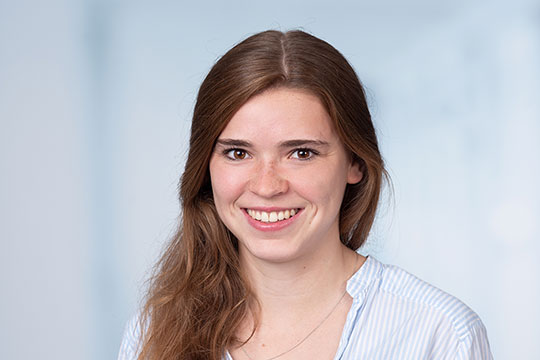
Katharina Schuler studies medicine in her fifth year at the University of Bonn, Germany. Since October 2019 she is working on her experimental MD thesis project on the role of ASC specks as essential cofactor in Amyloid b-induced pathophysiology in a mouse model of Alzheimer’s Disease. In this context she is admissioned to the doctoral scholarship for Neuroimmunology (BonnNi), EKFS-Promotionskolleg of the Medical Faculty of the University Hospital Bonn.
✉ ☏ +49 228 287-11262
Biosketch
Doctor of Medicine Candidate
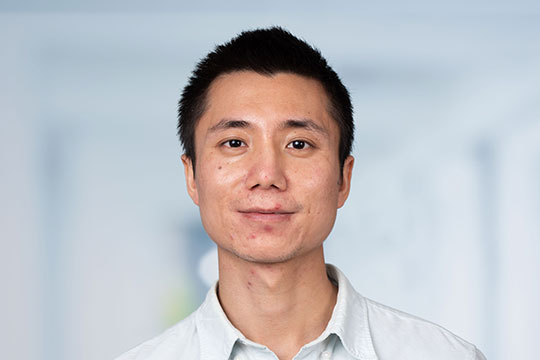
Tao has a training in orthopedic spine surgery in China and is specialized in the treatment of injuries of the central nervous system and degeneration of the spinal nerves. In the field of experimental medicine during his thesis as a master student, he concentrated on building of a novel inducing system with multi-layered alginate microcapsules to regulate differentiation of neural precursor cells from bone mesenchymal stem cells. He also participated in the research of Epigenetics of Alzheimer's disease based on the transgenic cellular model. He joined Prof. Henekas' lab for his MD Thesis in basic sciences. His research will aim at understanding molecular mechanisms of inflammatory regulation in traumatic brain injury.
✉ ☏ +49 228 287-11262
Biosketch
Doctor of Medicine Candidate
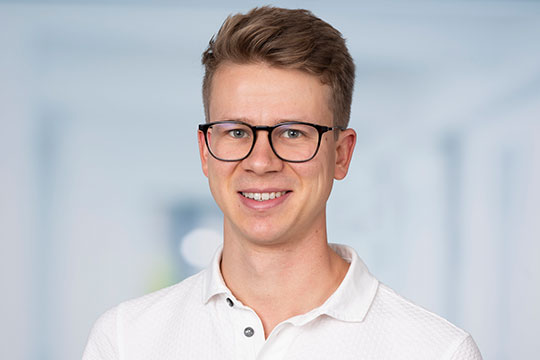
Tizian Meyer is a 5th year medical student at the University of Bonn. Since 2018 he is working in Prof. Heneka’s lab at the DZNE in Bonn. For his MD work, he was funded by the EKFS (Else Kröner-Fresenius-Stiftung) with a “NeuroImmunology” BonnNI grant. His work in the lab explores the role of microglia in amyotrophic lateral sclerosis (ALS) with focus on TDP-43 and RAN-translated peptides. Expertise: neuroinflammation, molecular and cell biology, primary cell culture.
✉ ☏ +49 228 287-11262
Biosketch
Doctor of Medicine Candidate
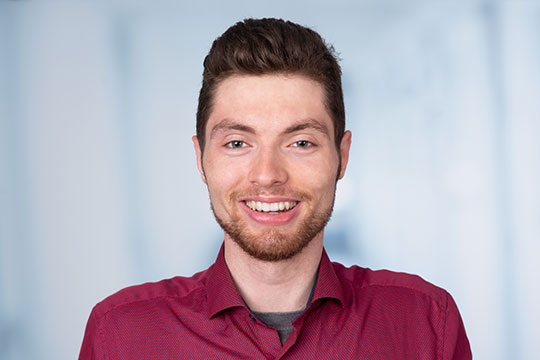
Tilmann Verbeek has been studying medicine at the university of Bonn since 2015. In his MD thesis in the Heneka Lab, he looks into the interaction between neurons and microglia cells in neurodegenerative diseases - particularly in Alzheimer's and Parkinson. The pathogenic role of mitochondria is of special interest.
✉ ☏ +49 228 287-11262
Biosketch
Doctor of Medicine Candidate
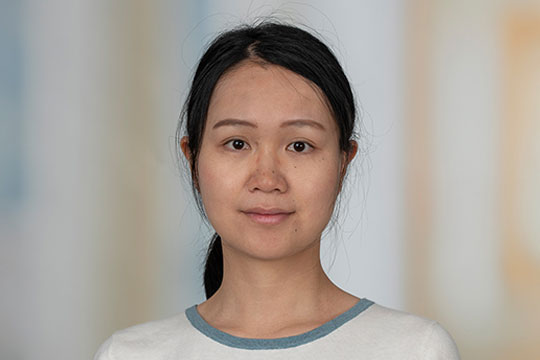
Shuangshuang Zhang is trained in clinical medicine and pathophysiology. She is interested in understanding the underlying mechanisms in the development and progression of tauopathies and Alzheimer’s disease and the impact of neuroinflammation on tau pathology. Techniques she is using include immunohistochemical and immunocytochemical stainings, Western Blot, ELISA, primary cell culture, purification of recombinant proteins.
✉ ☏ +49 228 43302-349
Google Scholar / Biosketch
Bachelor student
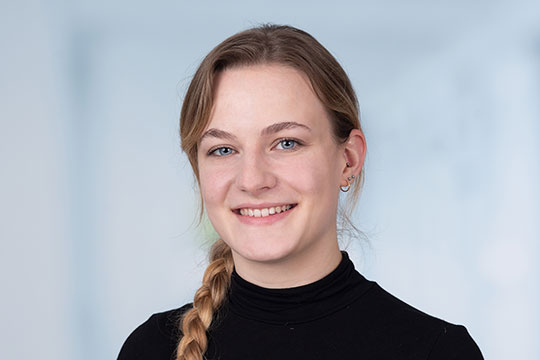
Charlotte Geck is a Bachelor student at Reutlingen University and is completing her Bachelors thesis in the lab of Prof. Heneka. Before, she completed an Internship at the “Laboratory of Tissue Repair and Regeneration” at the University of Toronto in Canada, where she investigated cell-cell interactions of Macrophages and Fibroblasts with regard to their involvement in creating a profibrotic environment. Currently, she is involved in fundamental research, focusing on cellular interactions between neurons and microglia aiming at the characterization of direct cell-cell contacts.
✉ ☏ +49 228 43302-
Biosketch
Visiting PhD Student
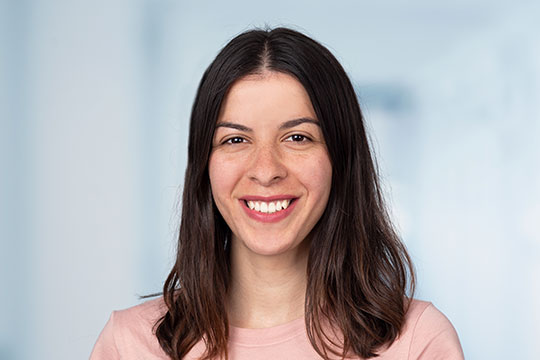
Asli Erdogan has worked on the effects of in-vitro dermis-derived cells in a mouse vitiligo model after autologous transplantation for her MSc thesis. Her current work in the lab focuses on the investigation of neuroinflammatory responses with a particular attention to NLRP3 inflammasome pathways activation in Alzheimer Disease using patient specific induced pluripotent stem cells-derived microglia cells.
✉ ☏ +49 228 43302-552
Pubmed / ORCID / Google Scholar / Biosketch