

Research Group
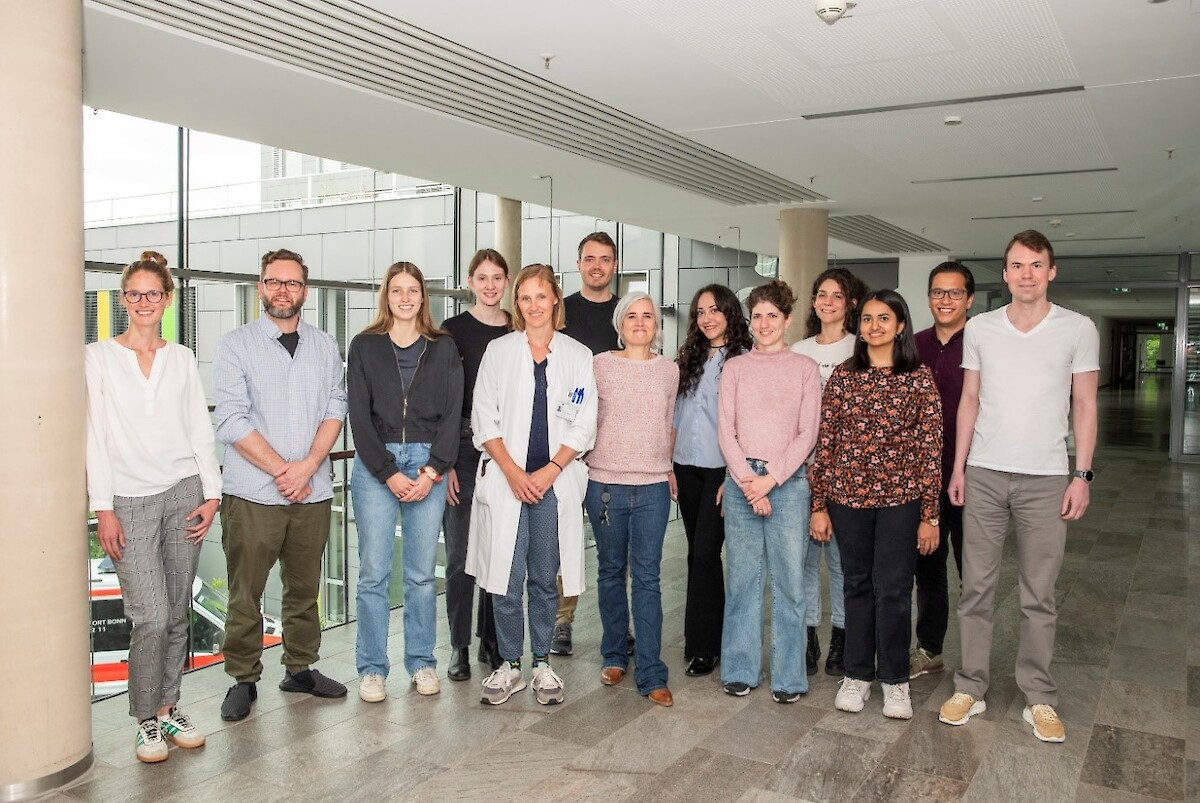
The Neurohomeostasis Lab was established in 2018 at the University Hospital Bonn within the Department of Psychiatry and is composed of an interdisciplinary team. This includes scientists in the postdoctoral or doctoral phase, clinician scientists, technical assistants, lab management, project management, and students (at the bachelor's and master's level) in the fields of life sciences or human medicine. This diverse composition enables our unique focus on directly linking basic research with application-oriented clinical research.
| Group leader | Dr. Nils C. Gassen |
| PostDocs | Dr. M. Clara Sokn |
| Clinician Scientists | Dr. Sarah Mackert Dr. Tim Ebert Dr. Christine Niemeyer |
| PhD students | Thomas Bajaj Vanina Velardo Mobina Bayat Erisa Madani |
| Guest Scientists | Djordje Stanivuk (PhD Student, Uni Mainz) |
| Students | Maren Jasper (MD student) Klaudius Prominski (MSc Neuroscience, Köln) Sinem Bulut (MSc Biochemistry) |
| Laboratory Technician | Alessandra Bianco |
| Lab Management | Monika Endl |
| Project Management | Patricia Schikorra |
| Administration | Stefanie Saupe |
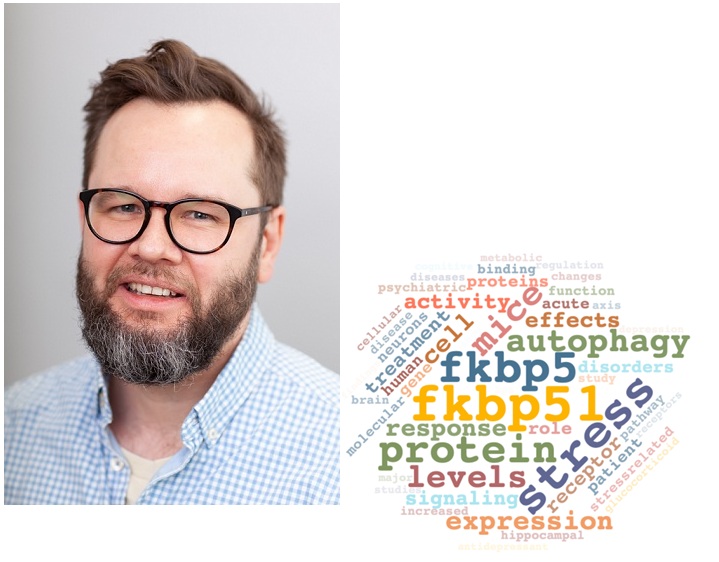
Dr. rer. nat. Nils C. Gassen
Group leader
My motivation for research in this field stems from the conviction that stress - one of the most pervasive forces shaping human health - is not merely a cause of disease but a window into the fundamental principles of adaptation. I am driven by the belief that we can change how we understand and treat stress-related disorders by deciphering their cellular and molecular logic, particularly through the lens of autophagy and homeostatic balance. The translational potential of my groups work is unparalleled, bridging basic molecular mechanisms with meaningful clinical applications. Equally motivating is the opportunity to mentor a new generation of creative scientists who think across boundaries and flourish in collaborative, interdisciplinary settings. Together with an outstanding network of colleagues, I strive to redefine how we study, conceptualize, and ultimately transform stress into resilience.
Cellular Homeostasis and Autophagy as a Core Mechanism of Stress and Stress Resilience
This project line centers on autophagy as a fundamental integrator of stress adaptation, connecting molecular mechanisms of proteostasis, metabolism, and resilience. Building on the projects ASTRA and AutoHealth, it explores how autophagy-inducing polyamines (e.g. spermidine) and metabolic regulators in glial and neuronal cells re-establish homeostasis under stress. ASTROMICS adds a complementary focus on astrocyte mitochondrial metabolism, highlighting glial contributions to stress-induced metabolic dysregulation and energy imbalance. The work employs autophagy-reporter models, metabolomics, and in vivo manipulations to dissect the temporal dynamics of autophagic flux under acute and chronic stress, as disease model for depression. Integrating human and animal data, it defines autophagy as a bidirectional communication axis between the brain and peripheral metabolic systems. Through collaboration across molecular, behavioral, and translational domains, this line establishes autophagy as both a molecular hallmark of resilience and a therapeutic target for stress-related and metabolic comorbidities. The goal is to define autophagy as a master regulator of stress adaptation and brain-body homeostasis, establishing a mechanistic basis for targeted interventions that promote resilience and prevent stress-related pathology.
Across the PROGRESS, StressEVs, and MoodTransfer projects, stress is conceptualized as a dynamic, multiscale process linking molecular, physiological, and behavioral dimensions, forming the basis of a systems biology framework of stress and resilience that spans from behavioral dynamics to translational biomarkers. PROGRESS introduces the concept of the “tipping point of stress,” integrating longitudinal, stress-free sampling and machine learning–based behavioral analysis to define molecular signatures that distinguish resilience from vulnerability in a mouse model. StressEVs builds upon this framework by identifying extracellular vesicles (EVs) as carriers of stress-related signals and potential biomarkers bridging central and peripheral stress responses. MoodTransfer complements this systems view by testing the causal transmission of “mood states” through plasma proteomic and metabolomic signatures, representing a paradigm shift in understanding affective disease as a systemic rather than purely cerebral process. Together, these projects form a translational pipeline - from mechanistic animal models to human cohorts - establishing stress biomarkers that are measurable, predictive, and actionable in personalized psychiatry. The goal is to identify and validate integrative molecular and behavioral signatures of resilience and vulnerability, transforming stress research into a predictive and preventive science of mental health.
Funded projects:
- Disease-predisposing or Resilience-promoting? Decoding the Systems Biology and Behavioural Predictors and Determinants of the Tipping Point of Stress (PROGRESS, ERA-NET NEURON)
- Long-term Analysis of Stress-induced Behavioral Dynamics: Extracellular Vesicles as Biomarkers (StressEVs, DFG)
- From Black Bile to Melancholia: Transmission of Mood States via Plasma Transfer (MoodTransfer, Volkswagen Foundation)
- The Polyamine Hypothesis of Resilience: Autophagy-inducing Polyamines in Stress, Stress-related Diseases and Resilience (ASTRA, DFG)
- Autophagy linking Peripheral Metabolism and Stress to Mental Health: From Model Systems to Clinical Application (AutoHealth, ERA-NET NEURON JTC 2024)
- Role of Astrocyte Mitochondrial Metabolism in Chronic Stress (ASTROMICS, DFG Weave)
Viral-metabolic Interface: Glucocorticoid Signaling, Immunometabolism, and Cellular Proteostasis
This line investigates how viral infection acts as a systemic stressor that exploits and disrupts cellular homeostatic mechanisms - particularly glucocorticoid signaling, proteostasis, and autophagy. ProGReS and STEROiD identified the glucocorticoid receptor (GR) as a molecular hub linking psychological and viral stress responses, revealing how SARS-CoV-2 hijacks host autophagy and stress pathways. ProteoCoV and ProATTaC extend this work toward therapeutic innovation: they characterize autophagy as an antiviral defense mechanism and develop host-directed, autophagy-inducing compounds as broad-spectrum antivirals. This integrative approach - combining molecular virology, proteomics, and pharmacological screening - positions viral infection as a model for allostatic imbalance and resilience collapse. Beyond infection, these findings inform our understanding of how stress hormones and immune signals converge on shared molecular pathways that determine health outcomes under challenge. The goal is to elucidate and therapeutically harness the molecular interface between viral, metabolic, and psychological stress, enabling host-targeted interventions that restore cellular and systemic homeostasis.
Molecular Mediators of Stress Resilience: From Intracellular Sensors to Systemic Adaptation
This line focuses on intracellular sensors and signaling hubs that translate stress exposure into adaptive or maladaptive cellular responses. AutoResilience pioneers the use of Atg9a-targeting nanobodies to modulate autophagy with cell-type precision, offering a novel biotechnological strategy to promote resilience. In parallel, the FKBP-Metabolism project dissects the dual role of the stress co-chaperone FKBP51 as a regulator of glucocorticoid sensitivity and metabolic adaptation. Integrating cellular, molecular, and behavioral analyses, this line explores how FKBP51-driven signaling networks control autophagy, energy balance, and stress recovery across tissues. Together, these efforts define the intracellular mechanisms that couple stress sensing to homeostatic regulation and provide translational entry points for therapeutic modulation. The goal is to unravel and manipulate intracellular signaling networks that determine adaptive capacity, linking molecular stress sensors to organismal resilience and metabolic health.
Funded projects:
- Modulation of Autophagy via Camelid Nanobodies Targeting Transmembranous Atg9a to Selectively Shape Stress Resilience (AutoResilience, DFG)
- The Stress-responsive Psychiatric Risk Factor FKBP51 as a Central Regulator of Metabolic (Dys)function (FKBP-Metabolism, DFG)
- Toward a Theory of Homeostasis under Stress
Toward a Theory of Homeostasis under Stress
Collectively, our three project lines define a coherent, long-term research agenda that unites molecular, cellular, systemic, and translational approaches. They operationalize stress as a measurable deviation from homeostasis and resilience as the active re-establishment of balance. Together, we will position autophagy, glucocorticoid signaling, and systemic metabolism as universal mechanisms of adaptation - across mental health, infection, and physiology - laying the foundation for a transdisciplinary understanding of stress as both threat and opportunity for health.
My career path

Trained as a natural scientist in biochemistry with a focus on molecular biology and cell biology, I have been working in the field of psychiatric research since 2008. During my doctoral and postdoctoral studies at the Max-Planck Institute of Psychiatry in Munich (2008 to 2018), I have gained expertise and experimental knowledge in an interdisciplinary and translational environment in order to work hand in hand with clinicians, psychologists and basic scientists on stress-associated diseases. Since October 2018 I am head of the "Neurohomeostasis" research group at the Clinic and Polyclinic for Psychiatry and Psychotherapy at the University Clinic Bonn. I am leading an interdisciplinary team of basic scientists, electrophysiologists, statisticians and clinicians with the common aim to study the impact of various stressors on brain and systemic function and brain-body interaction. At the beginning of 2023, with the appointment as a Visiting Professor at the Charité in Berlin, I am co-supervising a small research team made up of virologists, immunologists and established stress researchers. In this very productive and outstanding environment, there is exceptionally good interaction between different disciplines in the areas of teaching, research and conception of projects and third-party funding options.
Awards, scholarships, honors:
2012 Mifek Kirschner Award
2013 Postdoctoral Stipend awarded by the Max-Planck-Society
2016 NARSAD Young Investigator Award, honored by P&S Fund
2023 honored as Berlin Institute of Health / Charité Visiting Professor
(funded by Stiftung Charité as an initiative of excellence by
Johanna Quant)
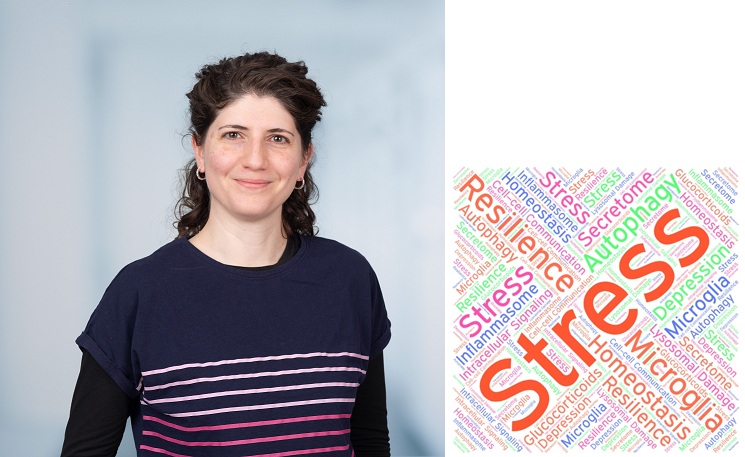
Dr. Maria Clara Sokn
Postdoctoral researcher
My main motivation for doing research is the chance to stay in an environment where I can keep learning about things that genuinely fascinate me. Over time, I’ve realized that my motivation doesn’t come only from scientific curiosity, but also from the people I work with. The social dimension of research has become a source of learning in itself: it teaches me how to communicate openly, how to collaborate across different perspectives, and how to build bonds that keep my enthusiasm for science alive. These connections make the day-to-day of research meaningful and help me grow both professionally and personally.
I am involved in a project investigating how microglia mount homeostatic responses to glucocorticoid-driven stress. We study these adaptations across multiple biological levels. At the cellular level, we characterize microglial signatures by examining transcriptional, proteomic, and secretomic changes, alongside alterations in autophagic flux, lysosomal integrity, inflammasome activation, and shifts in the interactome of relevant proteins. At the intercellular level, we assess how microglia communicate with other neural cell types through secreted factors. Finally, using murine models of stress, we evaluate behavioral outcomes and stress-induced changes in the brain secretome that depend on microglial function. Together, these approaches aim to uncover the mechanisms through which glucocorticoid exposure reshapes microglial physiology and contributes to broader alterations in brain homeostasis and stress adaptation.
Fellowships and Grants:
- CONICET (Argentine National Commission for Scientific and Technical Research) – Doctoral Fellowship (2016–2022)
- CONICET – Postdoctoral Fellowship (2022–2025)
- DAAD Research Grant – Short-Term Grant (May 2024–September 2024)
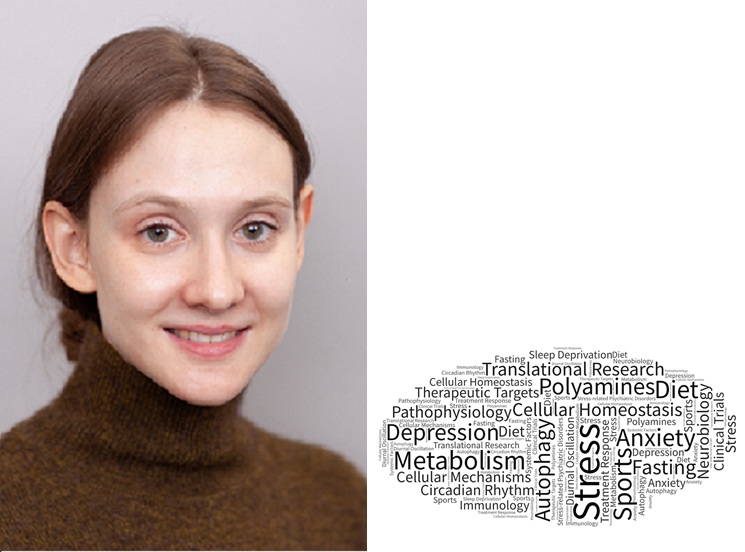
Dr. med. Sarah Mackert
Resident physician and PhD student in Neuroscience
I am a resident physician in the Department of Psychiatry and Psychotherapy and a PhD candidate in Neuroscience at the University of Bonn. My research focuses on how stress affects homeostatic processes and contributes to the development of stress-related psychiatric disorders (SRPDs) such as depression and anxiety. Central to my work is the stress-hormone axis and downstream systems, including autophagy and polyamine metabolism, and their roles in maintaining cellular and systemic balance. I am particularly interested in translational research, bridging insights from cellular and animal models to humans and vice versa. My work explores how stressors (e.g., sleep deprivation, pharmacological stressors) interact with environmental and behavioral factors (e.g., exercise, diet, fasting) to influence molecular pathways, metabolism, and immune responses. Both acute effects and long-term adaptations to chronic stress are key aspects of my research, with special attention to sex-specific similarities and differences.
To address these questions, I employ protein biochemistry and advanced multi-omics approaches in close collaboration with partner laboratories. Ultimately, my goal is to improve our understanding of the mechanisms underlying SRPDs and to identify markers that can improve disease characterization, predict treatment response, and guide the development of effective preventive and therapeutic strategies. I have been particularly involved in the following projects:
• StressLess Study (NCT04823806, ClinicalTrials.gov)
• NutriMol Study (NCT06016530, ClinicalTrials.gov)
• AutoSport Study (NCT05359744, ClinicalTrials.gov)
• MetaFast Study
Special Achievements:
- Travel grant from the International Graduate School of Neuroscience, Bonn, for the Cell Metabolism Conference in Lisbon, Portugal, April 2024.
- Clinician Scientist Program, Neuro-aCSis Fellowship, University Hospital Bonn, since October 2024 (funded by the German Research Foundation (DFG)). <Neuro-aCSis-Fellows — Medical Faculty>
- Poster Award: „Autophagy in stress-related psychiatric disorders: Are polyamines a promising new treatment strategy?, Deutsche Gesellschaft für Psychiatrie und Psychotherapie, Psychosomatik und Nervenheilkunde e. V. (DGPPN), November 2025. <Verleihung der DGPPN-Preise: Würdigung herausragender Leistungen - Pressemitteilungen 2025 - Pressemitteilungen - Presse - DGPPN>
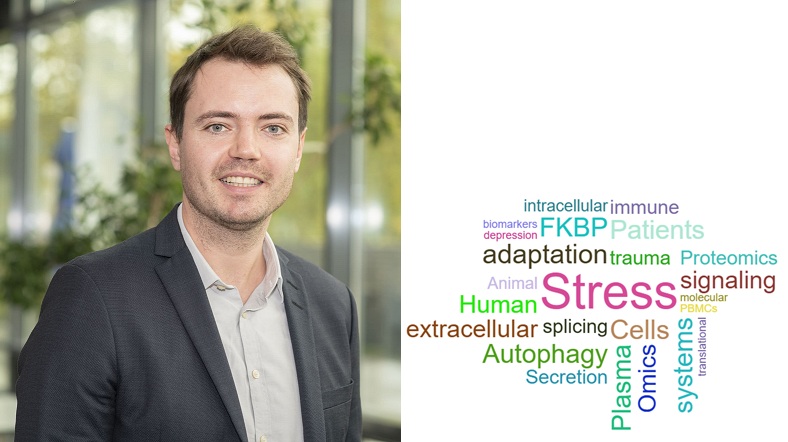
Dr. Tim Ebert
Clinician Scientist
I’m driven by curiosity about how biology gives rise to complex human behavior. My clinical experience with patients has made me appreciate the individuality and diversity of psychiatric conditions, while basic research lets me explore the molecular and cellular mechanisms behind stress and adaptation. What excites me most is connecting these perspectives — using fundamental discoveries to better understand the human mind and ultimately improve how we diagnose and treat patients.
Systemic Effects of Acute Stress on the Human Body
As a clinician scientist, I aim to understand how acute psychological and non-psychological stress affects the human body at a systemic and molecular level. Using both controlled and real-life stress paradigms (such as bungee jumping), I design and conduct longitudinal human studies that capture the dynamic biological response to stress. Through multi-omics approaches — including proteomics, phosphoproteomics, metabolomics, and transcriptomics — we map molecular changes that occur before and after stress exposure. These datasets reveal coordinated shifts in immune, metabolic, and secretory pathways and help identify candidate biomarkers of stress adaptation. In collaboration with national and international partners, this work bridges psychophysiology, immunology, and molecular psychiatry, with the goal of defining biological signatures that explain inter-individual differences in stress resilience and vulnerability.
Related study: HighStress – NCT05144022
Advancing (Blood-Based) Proteomics for Psychiatric Research
A second focus of my work is the application of advanced proteomic approaches to study blood and plasma in the context of stress and psychiatric disorders. In collaboration with the Meissner lab and the Core Facility Translational Proteomics at the University Hospital Bonn, I use nanoparticle-based protein enrichment and state-of-the-art mass spectrometry to capture low-abundance signaling proteins and vesicle-derived factors. By integrating these technologies with longitudinal human studies, I aim to map dynamic molecular signatures that reflect systemic stress adaptation. These efforts help translate complex proteomic data into biological insight and contribute to building robust analytical pipelines for biomarker discovery in precision psychiatry.
Secretory Autophagy and Stress-Induced Communication Pathways
A central theme of my research is how cells communicate during stress. Building on proteomic discoveries from human and experimental stress models, I investigate how intracellular stress responses — including autophagy and vesicle trafficking — shape the extracellular proteome. Using cellular assays, mouse models, and patient-derived samples, I study how stress alters secretory pathways and the release of immune and metabolic regulators. This line of work connects classical stress signaling with emerging concepts of non-canonical secretion and secretory autophagy. Ultimately, I aim to understand how stress reshapes systemic communication networks across organs and how these processes contribute to resilience or disease vulnerability.
Special Achievements:
- DFG Neuro-aCSis Stipend (2023)
- Poster Award, German Society for Anxiety Research (2024)
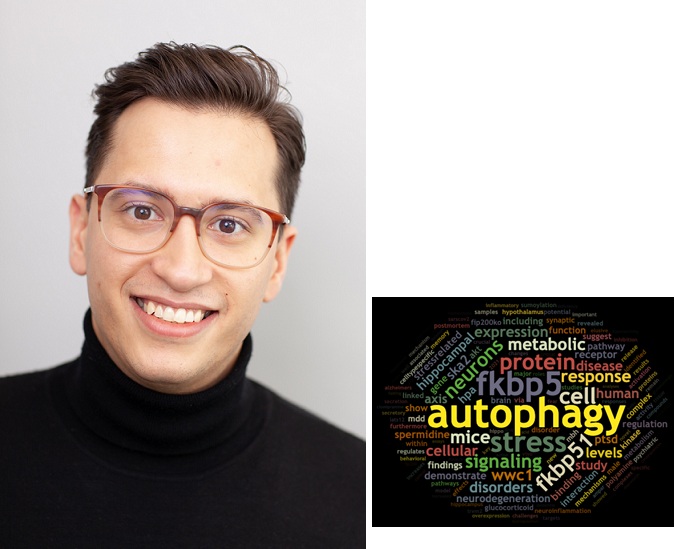
Thomas Bajaj
Scientist
I’m energized by uncovering how signaling pathways rapidly reprogram autophagy and lysosomal function to keep cells resilient under stress - and by the promise that each mechanism we discover can unlock fresh therapeutic angles for diseases driven by proteostasis and lysosomal failure.
Stress-primed secretory autophagy and extracellular signaling (microglia/synapse, proteostasis)
I investigate how stress hormones (glucocorticoids) can shift autophagy from a degradative pathway toward secretory outputs, thereby shaping extracellular communication. The core aims are to define when autophagosomes diverge from canonical degradative routes, how lysosomal stress or damage contributes, and which cargos can be classified as “secretory autophagy cargos” with functional effects on neighboring cells. Mechanistically, I focus on stress integrators and trafficking factors including FKBP51 (FKBP5), SEC22B and SKA2, with an emphasis on microglia biology and synapse-adjacent proteostasis. In parallel, I study chaperone-mediated autophagy (CMA) and how these pathways may be altered in neuropsychiatric disorders.
Methods: autophagic flux assays (± lysosomal inhibition), EV/secretome profiling, confocal imaging, immunoblotting, and proteomics to map cargo and pathway engagement.
Partners: Dr. Jakob Hartmann (Harvard Medical School / McLean Hospital, Belmont, USA); Prof. Kerry J. Ressler (Harvard Medical School / McLean Hospital, Belmont, USA); Prof. Marcel Müller (Charité-Universitätsmedizin Berlin; DZIF Partner Site Charité, Germany).
FKBP51 as a signaling hub linking glucocorticoids, autophagy, and metabolism
This project line examines FKBP51 as a molecular scaffold that connects glucocorticoid signaling with autophagy regulation and metabolic control. The aim is to identify which interaction networks (including WIPI-centered autophagy modules) and signaling nodes (e.g., mTOR and AMPK pathways) are rewired by FKBP51 during metabolic or stress challenges, and how these changes translate into organism-level phenotypes.
Methods: interaction and network biology, targeted perturbations (genetic and pharmacological), phospho-profiling of pathway activity, and translational readouts from cell systems to in vivo models.
Partner: PD Dr. Mathias Schmidt (Research Group Neurobiology of Stress Resilience, Max Planck Institute of Psychiatry, Munich, Germany).
Metabolomics and lipidomics of the stress-autophagy axis
This line uses metabolomics and lipidomics to quantify metabolic states that regulate autophagy (and are regulated by it) and to connect these changes to pathway activity and flux rather than static markers. The goal is to integrate metabolite measurements with signaling and proteostasis readouts to understand how stressors reshape cellular homeostasis.
Methods: targeted and untargeted LC-MS workflows and integrative analysis with signaling/flux assays.
Partners: Dr. Nicole Paczia (Core Facility for Metabolomics and Small Molecules Mass Spectrometry, Max Planck Institute for Terrestrial Microbiology, Marburg, Germany); PD Dr. Patrick Giavalisco and Dr. Frederik Dethloff (Max Planck Institute for Biology of Ageing, Cologne, Germany).