
Forensically validated STR markers for equine identification and wildlife crime investigation
Why does it matter?
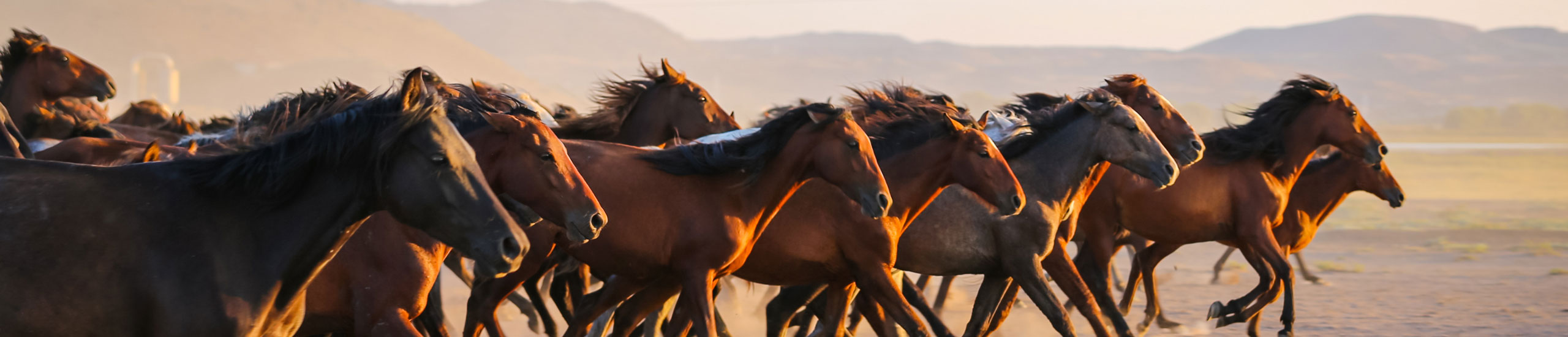
Wild equids, including horses, donkeys, and zebras, are involved in a wide range of forensic contexts, from illegal trade and poaching of wild populations to criminal investigations involving biological evidence. Horses, in particular, play a central role in animal cruelty cases, theft, pedigree fraud, and human crimes where equine traces are present. Despite their importance, reliable and forensically validated genetic tools for equine identification are still lacking. The STRide project aims to address this gap by developing a scientifically robust, high-resolution STR system, providing a widely applicable solution for equine forensic identification and wildlife crime investigation.

Animal Cruelty
Supports investigations of animal cruelty cases, including severe abuse incidents such as “horse-ripping” events.

Human Crime Investigations
Assists criminal investigations where equine evidence is present, such as horse hair on suspects or traces from crime scenes involving stables.
Pedigree Testing
Provides reliable genetic verification for pedigree authenticity in horse breeding and trade.

Theft
Enables forensic identification in cases of horse theft and the theft of high-value equestrian equipment.

Illegal Wildlife Trade
Supports the detection of illegal trade involving wild equids and related products and other derivatives.

Genetic Diversity
Enables assessment of genetic diversity in wild equid populations, contributing to conservation strategies and protection measures.
Data Availability
Allele frequency data generated within the STRide project will be made publicly available to support forensic applications and ensure transparent data access for the scientific community.
The project is currently in the experimental phase, and the dataset is not yet ready for release. Once the dataset is finalised and validated, it will be provided here for download.
We welcome contributions of additional sample material to support the development of a robust reference database. For sample submission or collaboration inquiries, please contact us via the email below.

Dr. Annika Mozer

Réka Wagener
Valerie Nagel
Noah Clemens
Collaborating Institutions
Institute for Legal Medicine Bonn | Bundeskriminalamt, Material- und Mikrospuren Biologie
Funding
STRide is funded by the Society for Wildlife Forensic Science